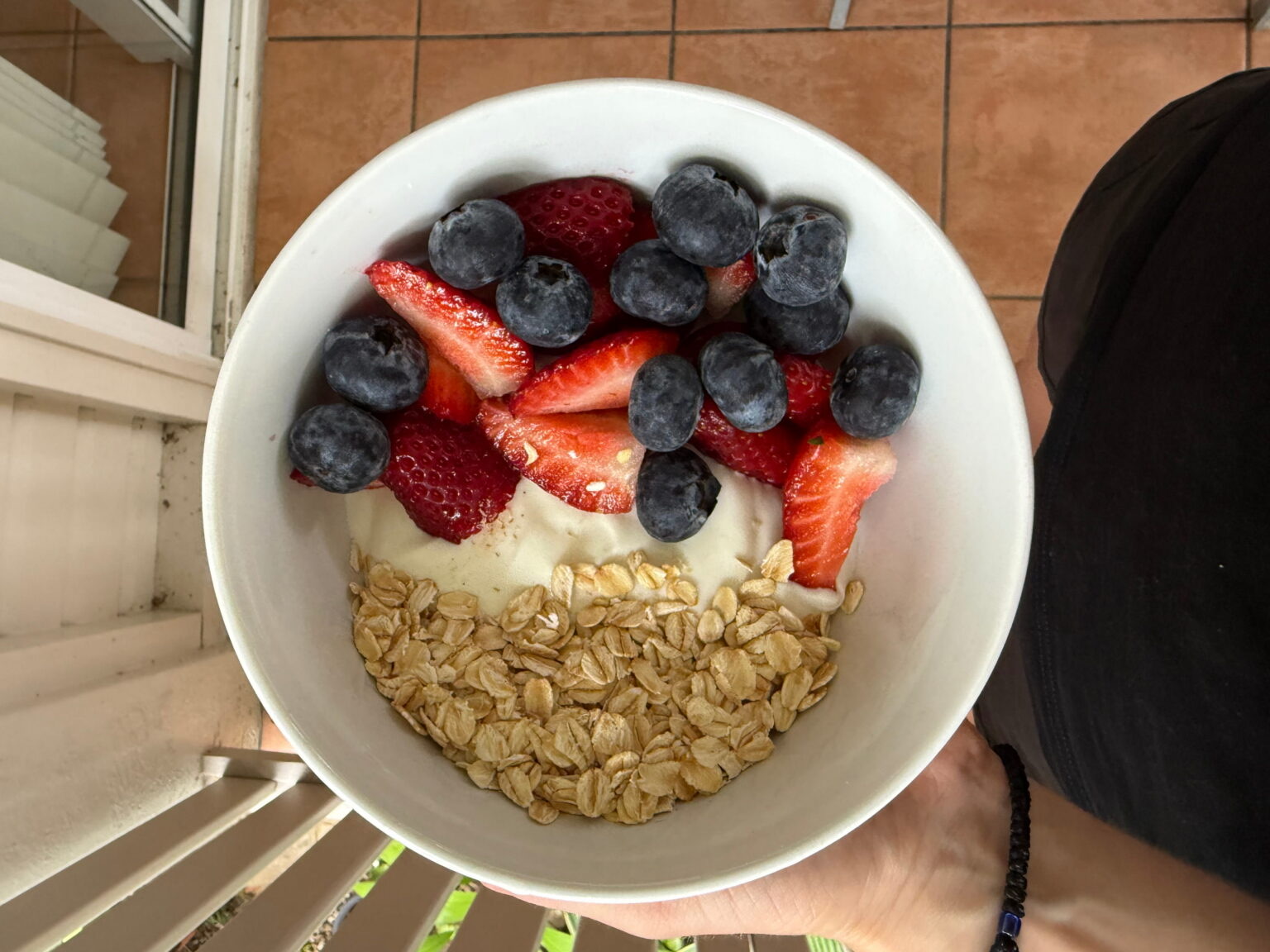
What you eat before training has a direct impact on how you perform. Carbohydrates are especially important, as they help top up glycogen stores which is your body's main fuel source for higher intensity exercise. When these stores are adequate, you're more likely to have increased energy and performance, meaning training and playing better.
Nutrition before training also supports mental performance. Including a mix of beneficial nutrients can help with focus and alertness, allowing you to stay engaged and get more out of your session. On top of that, fuelling your body appropriately can assist with muscle protein synthesis, supporting recovery and helping your body repair and adapt to training.
Key Nutrients to Prioritise
Carbohydrates should be the focus before training, particularly fast digesting options as these provide readily available energy. Foods like white bread, crumpets, cereal, fruit, muesli bars or rice crackers, dried fruit, fruit juice, and even lollies can be practical choices depending on timing and preference.
Hydration is just as important. Starting your session well hydrated can improve performance and reduce fatigue. For shorter or lower intensity sessions, water is usually enough. However, longer sessions or training in hot and humid conditions may benefit from fluids that also provide electrolytes.
Timing and Amount Matters!
Eating too close to exercise or having portions that are too large can lead to discomfort, while not eating enough may leave you feeling flat. A general guide is to have a snack that is easily digestible around 30-60 minutes before training, giving your body enough time to digest and absorb nutrients.
Portion sizes should be tailored to the individual. If you're not used to eating before training, starting small (e.g some rice cakes with honey) and gradually increasing as your tolerance improves (e.g banana + jam sandwich) can be a helpful approach.
Personalising Your Approach
Pre-training nutrition isn't one size fits all. What works best will depend on your preferences, your training demands, and how your body responds to different foods. Choosing foods you enjoy makes it easier to stay consistent, while adjusting intake based on session intensity and duration ensures you're fuelling appropriately.
It's also important to pay attention to gut comfort. Experimenting with different foods and timing can help you identify what feels best and allows you to perform without any digestive issues.
Summary
Pre-training nutrition is a simple but powerful way to improve your performance. By fuelling your body with the right nutrients, staying hydrated, and finding a routine that works for you, you can support energy levels, focus, and recovery. If an injury is disrupting your training, our sports physiotherapy Melbourne team at Performe can work alongside your nutrition plan to keep you on track.